Resumen del producto
Epitalon, también conocido como Epithalon (número CAS 307297-39-8), es un péptido sintético compuesto por cuatro aminoácidos: alanina, ácido glutámico, ácido aspártico y glicina.Su estructura concisa hace que sea una opción práctica en el trabajo de laboratorio relacionado con los péptidos, especialmente en estudios centrados en el envejecimiento celular y los mecanismos de la condición de la piel.
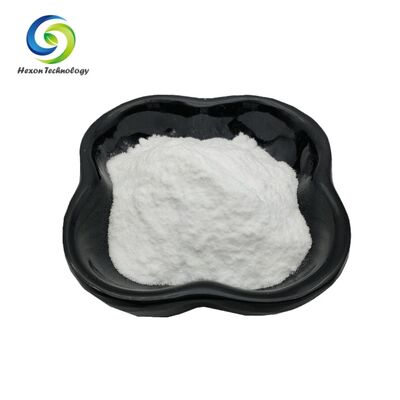
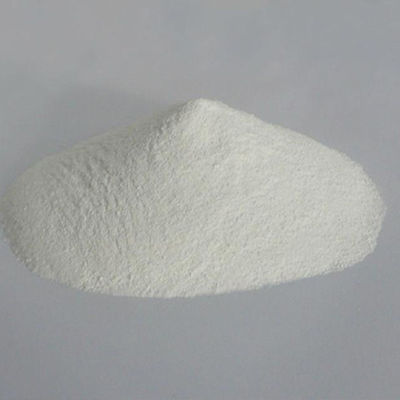
Este producto se suministra como un polvo liofilizado blanco con una pureza no inferior al 99%, confirmada mediante análisis HPLC.cada lote mantiene una calidad constante adecuada para entornos de investigación controlados.
En los últimos años, Epitalon ha ganado atención en la investigación experimental de cuidado de la piel debido a su participación en las vías relacionadas con la renovación celular y el equilibrio oxidativo.Su tamaño molecular relativamente pequeño le permite manejarlo fácilmente durante la preparación de la solución, apoyando procesos de laboratorio reproducibles.
El material está destinado únicamente para uso en investigación, y suele ser seleccionado por laboratorios que exploran el comportamiento de los péptidos en modelos relacionados con la piel, incluyendo estudios sobre elasticidad, hidratación,y actividad celular a largo plazo.

Características y beneficios del producto
Una característica clave de este producto Epitalon es su alto nivel de pureza, lo que garantiza una interferencia mínima de los subproductos durante los experimentos.Esto es particularmente importante en la investigación de péptidos donde se requiere precisión y repetibilidad.
Cuando se almacena correctamente, el péptido mantiene su integridad estructural durante períodos prolongados,hacerla adecuada para proyectos de investigación en curso o en varias fases.
El polvo liofilizado ofrece flexibilidad a los investigadores, permitiendo una reconstitución personalizada en función de las necesidades de concentración.ayuda a mejorar la precisión en la dosificación durante los procedimientos experimentales.
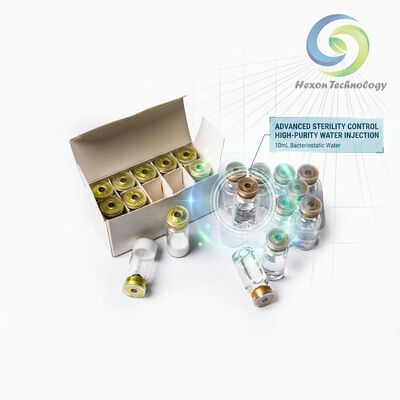
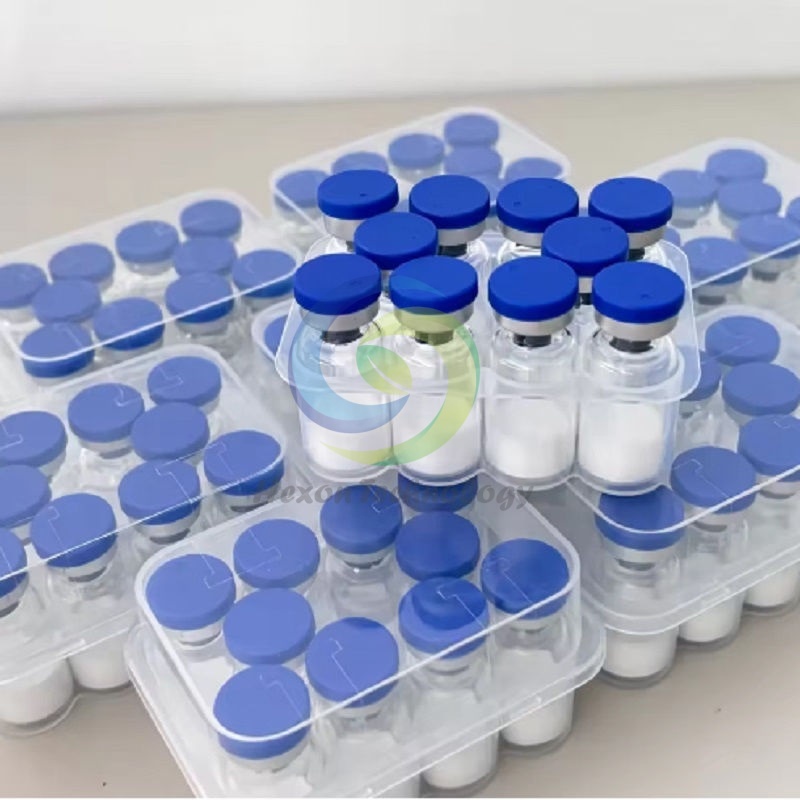
Además, el formato del envase vial sellado múltiple facilita el manejo higiénico y reduce al mínimo la exposición repetida al aire y a la humedad, que pueden afectar a la calidad del péptido.
Escenarios de aplicación (investigación centrada en la piel)
El epitalon se utiliza con frecuencia en estudios de laboratorio que examinan los mecanismos de envejecimiento de la piel.ambos son factores clave que afectan la apariencia de la piel.
En el desarrollo de cuidado de la piel basado en péptidos, Epitalon es explorado por su papel potencial en el apoyo de los procesos relacionados con el colágeno.contribuye a la investigación en la parte superior que informa las estrategias de formulación.
También se utiliza en experimentos controlados que involucran simulaciones de barrera cutánea, donde los investigadores evalúan cómo los péptidos interactúan con condiciones de estrés ambiental como la exposición a los rayos UV o la deshidratación.
Además, Epitalon es relevante en estudios centrados en la vitalidad a largo plazo de la piel, en particular en aquellos que investigan las vías relacionadas con la telomerasa y su relación con el envejecimiento visible.
Especificaciones técnicas
| Parámetro |
Descripción |
| Nombre del producto |
Epitalón / Epitalón |
| Número CAS |
307297-39-8 |
| Purificación |
≥99% (verificado por HPLC) |
| Apariencia |
Polvo blanco (liofilizado) |
| Fórmula molecular |
C14H22N4O9 |
| Peso molecular |
390.35 g/mol |
| Secuencia de aminoácidos |
Ala-Glu-Asp-Gly |
| Grado |
Grado de investigación |
| Certificaciones |
GMP, ISO 9001 |
| Aplicación |
Solo para investigación de laboratorio |
| Especificaciones disponibles |
10 mg/ vial, 50 mg/ vial |
| Embalaje |
10 viales por kit |
| Condición de almacenamiento |
2°C, protegido de la luz |
| Tiempo de conservación |
24 meses |
| Métodos de ensayo |
HPLC, UV |
| Capacidad de suministro |
5000 viales por mes |
| Tiempo de entrega |
510 días laborables |
| Opciones de envío |
Aéreos (FedEx, UPS, EMS) o por mar |
Recomendaciones de almacenamiento
Para una estabilidad óptima, el producto debe conservarse refrigerado entre 2°C y 8°C en un ambiente seco y oscuro.Se recomienda utilizar la solución con prontitud y evitar múltiples ciclos de congelación y descongelación para preservar la actividad del péptido..


 ¡Su mensaje debe tener entre 20 y 3.000 caracteres!